Stoneware statue embodies a distinguished discipline category with a extensive chronicle, spreading back numerous of decades. From ancient vessels to recent showcases, the material offers exceptional possibilities for creative expression. Artisans practice assorted techniques – including modeling, wheel rotating, and elevated firing processes – to transform humble dirt into exquisite three-dimensional productions. The longevity of fired earthenware also contributes to its status as a truly memorable part of human custom.
Exploring Pottery Marker Layouts and Ways
The sector of ceramic plaque design offers a expansive array of imaginative possibilities. Artisans often exercise a assortment of traditional and contemporary techniques to produce visually beautiful pieces. These can cover from simple, engraved reliefs to complex, multi-layered designs. Typical methods include shape forming, sculpting by hand, the glaze process – which can involve diverse modes like initial glaze painting, decoration on top of the glaze, and sgraffito where designs are revealed by taking away a layer of finish. More investigation into top layers such as raku and lustering can result in truly distinctive and personalized brick shields.
- Shape Forming - Fabricating pieces using a cast
- Manual Fabrication - Carefully molding the material
- Glaze Application - Smearing the layer with a glossy finish
- Incised pattern - Uncovering designs by scraping covers
Enveloping Experiences: Earthenware Art Exhibits
The maturing landscape of visual arts presents exciting original avenues for audiences, and ceramic art installations are at the summit of this transition. These aren't just static pieces; they are fabricated to envelop the participant in a sensory atmosphere. Imagine walking through a forest of towering, decorated ceramic trees, or navigating a web of delicate ceramic vessels. Many artisans are now incorporating music, luminescence, and even odor to enhance the sensation of their work. Contemplate the power of a room filled with hundreds of meticulously ceramic objects, each telling a legend. Regularly, such installations scrutinize themes of ecosystem, memory, and personhood.
- These installations blur the edges between creation and setting.
- Observing a ceramic art installation can be a deeply personal journey.
- Makers are transporting the frontiers of what is accomplishable with clay.
One Beauty of the Porcelain Vessel: Role and Formation
The pottery receptacle represents a lovely amalgamation of utility and expressive appeal. Historically, these canisters served a essential assignment in containing substances, but their expansion has transformed them into highly valued works of design. Each component showcases the skill of the artist, demonstrating how outline can be as important as role. The thoughtful shaping, the unique glazes, and the entire presence of a artfully-produced vase can transform a space, offering both splendor and a soft reminder of the manual hand.
Latest Brick Art : Expanding Thresholds
Recent ceramic form represents a fascinating transition from time-honored practices. Builders are increasingly pushing with fresh tactics, merging the separations between ceramics and different artistic mediums. From expansive installations to fine miniature pieces, mentioned works analyze themes of background while concomitantly redefining the essence of what pottery can achieve. The product is a lively arena of innovative performance.
Stoneware Sign: Guarding Legacy in Porcelain
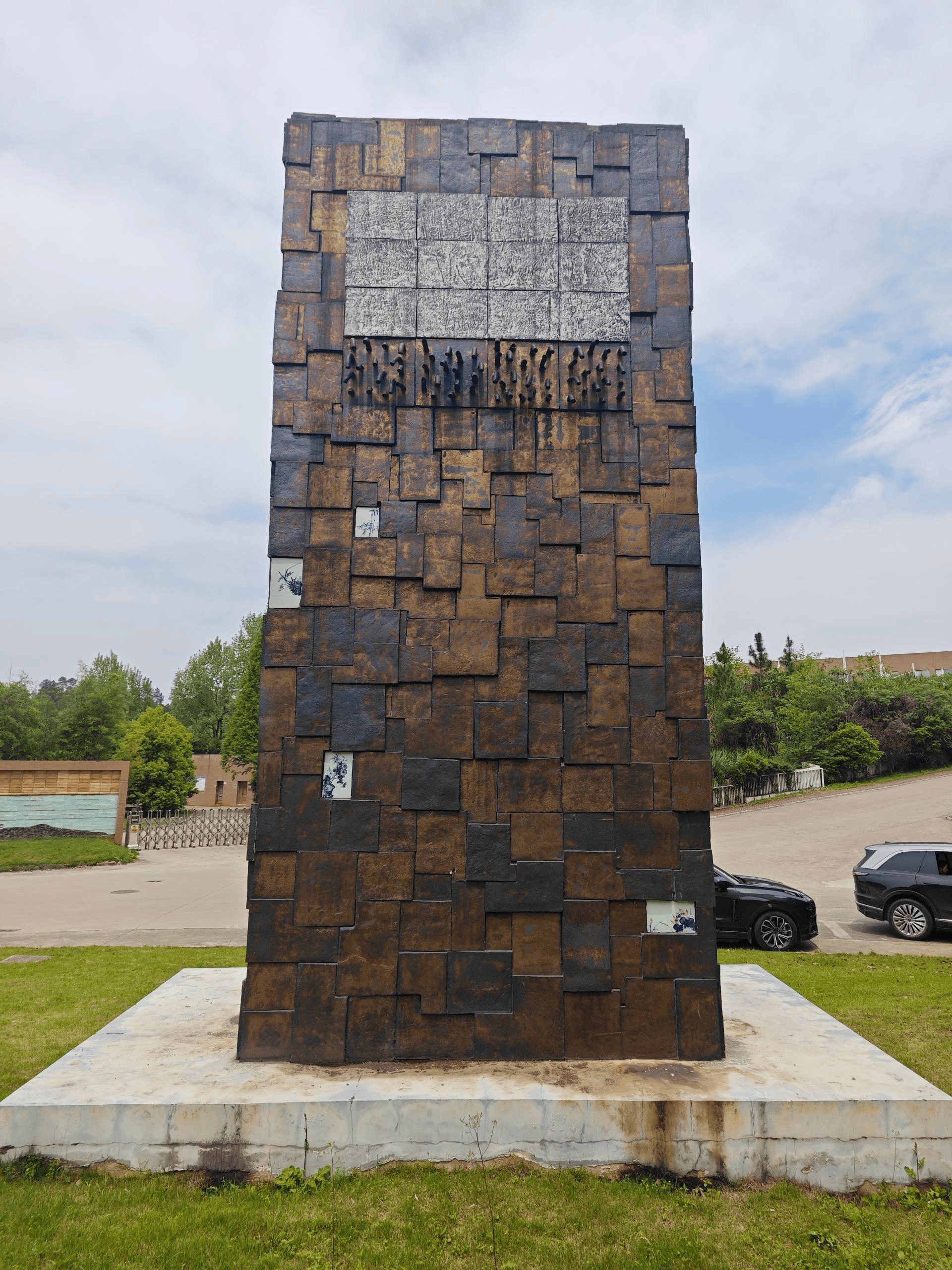
Stoneware plaques offer a uncommon method for capturing significant events and characters. As opposed to traditional metal or stone markers, these lasting pieces of work are formed from cooked clay, creating a concrete link to the former times. Frequently, they feature intricate reliefs or Ceramics beautifully rendered imagery, revealing stories that might otherwise be disremembered. A technique, linked to ancient tribes, provides a stunning and enduring way to honor our collective record.
- The mentioned can be located in common spaces.
- Numerous are now considered historical valuables.
Terracotta Art Exhibits: Altering Spaces
Terracotta art installations are arising a compelling medium for artists to transform public and private spaces. These immersive pieces frequently involve significant clay figures that surround viewers, redirecting their appreciation of the designed environment. By incorporating diverse ways like manual assembly and complex firing procedures, ceramic artists generate truly original experiences, removing the lines between form and structure. The effectiveness is often a powerful alteration that boosts the artistic quality of the environment and inspires debate.
Start Wheel to Spectacle: The Craft of the Porcelain Vase
The journey of a stoneware vase from a simple lump of mud to a finished work of mastery is a testament to human craftsmanship. Conventionally, the process kicks off with the potter’s turntable, where the knowledgeable artisan forms the twisting mud into a cylindrical contour. This initial step demands cleverness and a sensitive eye, followed by a delicate setting period. Once raw-fired, the container is ready for beautification, which may involve coloring intricate figures, engraving detailed views, or implementing a variety of varnishes. The ending firing process then changes the creation into a durable and eye-catching pot, a tangible manifestation of the artist's passion.
Pottery with Pottery: A Course to Brick Craft
Entering the field of porcelain production begins with grasping the principles of forming with porcelain. One process entails meticulously applying and excising stuff to generate three-dimensional objects. Whether you're a novice or a skilled artisan, testing with distinct categories of terracotta – notably pottery – will promote you locate your idiosyncratic style. Ultimately, ceramic pottery is a fulfilling adventure that unites technical skill with creative interpretation.